Unwrap a Trend: The Ugly Christmas Gaming T-shirt Sweater
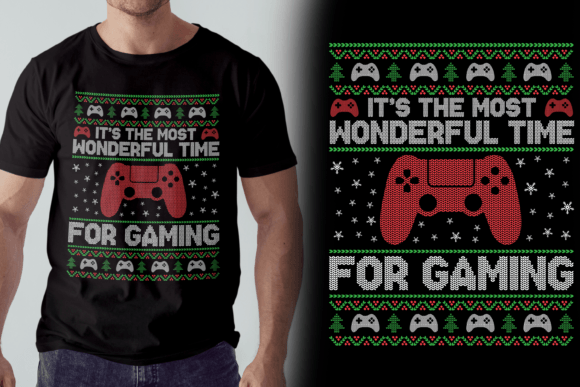
In the festive mash-up of holiday cheer and gaming culture, a unique niche product has emerged. It’s the Ugly Christmas Gaming T-shirt Sweater. This isn’t a physical knitted garment, but rather a digital design file crafted to look like one. It’s a brilliant, playful graphic that combines the iconic, often garish patterns of an "ugly Christmas sweater" with beloved gaming motifs—controllers, pixel art, character sprites, and classic game logos. The final product is a wearable design meant for screen printing or digital printing onto t-shirts or actual sweater fabrics.
For creators, entrepreneurs, and hobbyists looking to capitalize on seasonal trends, this represents a tempting opportunity. The appeal is clear: it taps into two passionate communities, offering a timely, nostalgic, and visually striking product. However, moving from a downloaded design file to a successful printed item involves several technical and strategic steps where well-intentioned projects can stumble.
Don't Let File Formats Unravel Your Project
One of the first and most critical details is understanding what you’re actually purchasing. The Ugly Christmas Gaming T-shirt Sweater design is typically offered as a "print-ready" package. This means it includes files like AI and EPS (vector formats) and PNG (a raster format). A common oversight is assuming all these files are interchangeable for any printing method. This misunderstanding can directly affect your final product's quality and cost.
For instance, using the provided PNG file for a large-scale print run might seem easier, but raster images have fixed pixel dimensions. The listed high quality of 4500x5400px is excellent, but if you need to scale the design significantly beyond its intended size for a larger garment, you risk pixelation and blurry edges. Conversely, the vector files (AI, EPS) are editable, color-changeable, and resizable without any loss of quality. They are the professional's choice for screen printing. Mistake: Using a PNG for everything. Better Approach: Use the vector files as your primary source. Open them in a program like Adobe Illustrator to confirm they are truly vector paths, not embedded raster images, before sending them to your printer.
From Digital File to Physical Print: The Application Pitfall
Even with perfect files, the journey to a wearable sweater or t-shirt hinges on your choice of printing method. The design is "Made for screen printing and digital printing," but these processes yield different results. Screen printing is ideal for bulk orders on cotton t-shirts, offering vibrant, durable ink layers. Digital printing (like DTG - Direct to Garment) is better for smaller runs or on polyester blends, offering photorealistic detail but sometimes less vibrant color opacity.
A frequent mistake is not consulting with your chosen printer before finalizing your order. You might assume the design's colors will translate perfectly onto a dark fabric, like a traditional sweater. However, many standard print processes struggle with bright colors on dark backgrounds without an expensive underbase layer. Example: The design has a white pixel-art snowflake on a red and green "ugly sweater" pattern background. If you print this on a black hoodie, that snowflake might disappear unless the printer adds a white ink base first, increasing cost. Advice: Before committing to a fabric color or garment type, send the vector file to your printer and ask for a sample or a detailed quote specifying how they will handle color placement and fabric compatibility.
Resizing and Editing: The Hidden Complexity of "Fully Organized"
The promise of a "fully well-organized" and "100% vector editable" file is a major selling point. It suggests you can easily tweak colors, resize elements, or even add your own branding. For beginners and small business owners, this feels like a safe, flexible option. The overlooked detail here is the skill and software required.
Vector editing isn't as intuitive as adjusting a photo in a basic app. If you attempt to open the EPS file in a free, non-professional design program, you might find layers misnamed, grouped objects that are difficult to isolate, or specific color swatches that aren’t recognized. This can lead to hours of frustrating work trying to simply change the color of a game controller element, potentially corrupting the file. A better approach is to either hire a freelance graphic designer for minor tweaks if you lack the software skills, or, if you are proficient, immediately audit the file's organization upon download. Check the layer structure in Illustrator, verify that all design elements are on clearly labeled layers, and ensure there are no hidden raster images within the vector art before you begin any edits.
The Market Timing and Trend Alignment Check
"It’s the most wonderful time for gaming" is a clever tagline that speaks to the cozy, indoor gaming season of winter holidays. However, a strategic mistake is treating this design as a year-round product. Its power is in its seasonality. Launching your Ugly Christmas Gaming T-shirt Sweater product line in late November might be too late. Production, shipping, and marketing need lead time.
Many creators underestimate the production timeline. From receiving the digital file, to editing (if needed), to printer setup, to sample approval, to bulk production, to finally stocking your online store—this process can take weeks. Starting in December means missing the peak shopping weeks of early November through mid-December. A practical correction is to treat this as a seasonal project planned in the summer. Use the off-season to perfect your files, establish printer relationships, and build your marketing campaign so you can launch your pre-orders or ready stock by October.
Furthermore, consider the audience. A pure "ugly sweater" design appeals to a broad crowd, but the gaming element narrows and focuses it. Your marketing should speak directly to gaming communities—through social media groups, gaming forums, and streaming platforms—not just generic holiday shoppers. A misplaced, broad marketing effort will yield lower engagement and sales.
The Final Checklist Before You Print
To ensure your venture with the Ugly Christmas Gaming T-shirt Sweater design is successful, run through this brief list before making any financial commitment to production:
- File Verification: Open the vector files in professional software. Confirm scalability, check for clean paths, and verify all colors are in separate, editable swatches.
- Prinder Consultation: Discuss your specific garment (material, color) with the printer. Get their technical feedback on the provided files and a written cost estimate that includes any necessary setup fees for complex colors.
- Sample First: Never order a bulk run without a physical sample on the exact fabric you plan to use. Check color vibrancy, design placement, and overall feel.
- Market Readiness: Align your launch calendar with holiday shopping trends. Have your e-commerce platform, product photos, and marketing copy ready well before the season hits.
- Legal Assurance: While the design may use generic gaming icons, ensure it does not incorporate copyrighted character art or logos that could invite intellectual property issues. The description suggests original "gaming motifs," which is safer, but always double-check.
By approaching the Ugly Christmas Gaming T-shirt Sweater with this practical, prepared mindset, you transform a fun digital download into a viable, high-quality product. You avoid the common pitfalls of file misuse, print misapplication, and missed market windows. The result is a festive, professional garment that truly celebrates the season for gamers and creators alike, maximizing both satisfaction and potential success.