The Rise of Online ESports: Three Tournaments That Showcase the Digital Arena
For many, competitive gaming has moved from a niche hobby to a mainstream spectacle. Online ESports tournaments are the heart of this evolution, creating digital arenas where skill, strategy, and community converge. If you’re looking to understand the current landscape, three distinct tournament formats illustrate where, when, and why this digital phenomenon thrives.
The Open Community Cup: Where Anyone Can Compete
Imagine a Saturday where your local gaming cafe or even your own living room transforms into a competitive stage. The Open Community Cup represents this grassroots level. These tournaments are often organized by game-specific communities or platforms like Discord. They have flexible schedules, sometimes announced just weeks in advance, and prioritize accessibility. Why do they matter? They are the entry point. A freelance graphic designer might join a Valorant community cup after work to test their skills against peers, not for a huge prize, but for the thrill and social connection. A small business owner who streams as a hobby could use these events to build a viewer base by showcasing their gameplay in a structured setting. The outcome here isn’t just a winner; it’s strengthened community bonds and personal validation within a shared passion.
The Professional Seasonal League: The Digital Sport’s Calendar
This is where online ESports mirrors traditional sports leagues. Think of the League of Legends Championship Series or the Counter-Strike ESL Pro League. These are meticulously planned, spanning months with regular match days, often broadcast on dedicated platforms like Twitch or YouTube. Their “where” is global, their “when” is predictable—every weekend during the season—and their “why” is multifaceted. For marketers and content creators, these leagues are a goldmine. A blogger focusing on digital culture can analyze team strategies for deep-dive articles, attracting readers interested in high-level meta-analysis. An educator might use a scheduled final match to teach students about live production, statistics analysis, or the economics of digital entertainment. The real outcome of following these leagues is gaining insight into a professionalized digital industry, understanding narrative arcs across seasons, and observing peak performance that inspires both players and entrepreneurs.
The Major International Championship: The Global Grand Finale
Events like The International for Dota 2 or the Fortnite World Cup are the pinnacle. They are typically annual, location-agnostic (though often tied to a major city for the final live event), and gather the world’s best after a year of qualifying. People engage with these championships as a cultural moment. A hobbyist might plan a viewing party, treating it like the Super Bowl. A publisher or consultant could study the event’s organization, sponsorship integration, and audience engagement metrics as a case study for large-scale online event management. The benefit here transcends the game itself; it’s about witnessing the culmination of effort, the dramatic narratives of underdogs and champions, and the sheer scale of what a fully realized online tournament can achieve. It shows what’s possible when a digital competition captures the world’s attention.
Turning Spectation into Creation: Your Own Gaming Platform
Observing these three tiers of online ESports and gaming tournaments often sparks an idea: “Could I build something here?” Maybe you’re a coach wanting to organize local leagues, a community manager aiming to centralize your group’s activities, or an entrepreneur seeing an opportunity in a specific game niche. Launching a website for your game plans is the logical next step. It becomes your hub for schedules, registrations, news, and community interaction.
Before you dive into coding or hiring a developer, consider the foundation. The design and functionality of your site will directly impact its effectiveness. A cluttered, slow, or confusing website will deter participants and visitors, no matter how great your tournament concept is. You need a platform that communicates professionalism and ease of use from the first click.
Presenting Your Vision with Precision
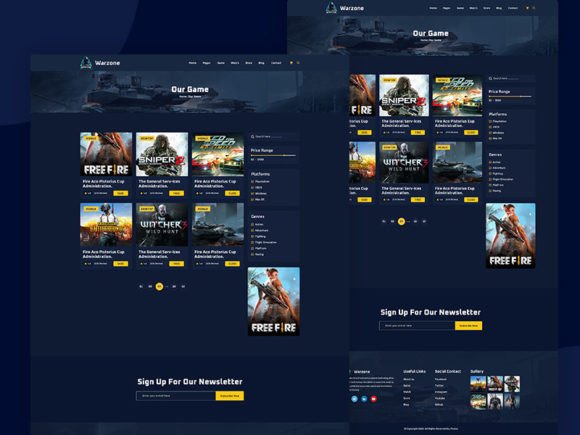
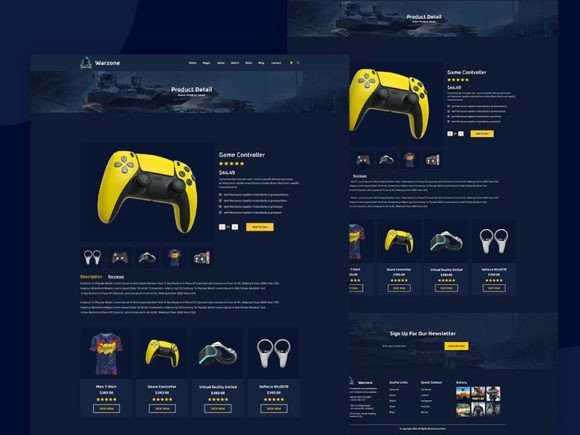
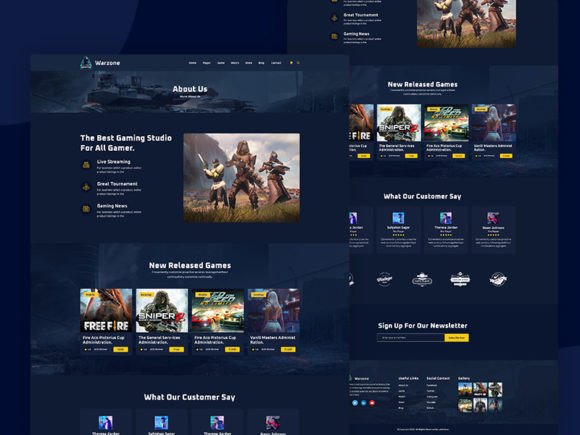
This is where the right template becomes a strategic tool, not just a cosmetic choice. By using a specialized crypto game template or a broader gaming web template, you bypass months of design dilemma. These templates are built with the audience in mind. They often integrate features like live stream embedding, tournament brackets with auto-updating results, player profiles, and integrated forums or chat. Think of a small business owner launching a regional Rocket League circuit. Using a pre-built template with an eye-catching, dynamic design allows them to launch quickly. Their site immediately feels credible, which attracts more serious teams and sponsors. It becomes a very effective source of assistance for their customers—the players and fans—because it’s designed specifically for the information they need: clear rules, easy registration, and live results.
The outcome of choosing a purpose-built template is tangible. It allows you to focus on organizing your tournament, managing your community, and creating content, rather than troubleshooting website layout or functionality. For a freelancer or hobbyist turning their passion into a side business, this efficiency is crucial. It reduces the technical barrier, letting the quality of your event or community shine through. The template handles the professional presentation, so you can handle the human connection and competition that makes online ESports so compelling.
Considering Your Digital Arena’s Foundation
If you’re thinking about applying these ideas and launching your own gaming-focused website, step back and align your tools with your goals. Are you aiming for a casual community hub or a professional league portal? The scale and features you need will differ. A wide range of games web templates exists, with plenty of eye-catching features, but ensure those features serve a purpose. An animated leaderboard is great if you run regular tournaments. A crypto-integrated payment portal is essential if you’re dealing with entry fees or prizes in that space. Look at the three tournament types—community, professional seasonal, major championship—and identify which model you’re closest to. Then, choose a template that supports that model’s operational needs.
The world of online ESports and gaming tournaments shows us that digital competition is layered, from casual to global. Whether you’re a participant, a fan, a content creator, or an aspiring organizer, understanding this landscape opens doors. And if your path leads to building a platform, remember that the right foundation—a professional, purpose-driven website—can turn your plan into a thriving, effective reality for the community you aim to serve.