O.G.D Obsessive Gaming Disorder: From Niche Term to Creative Expression
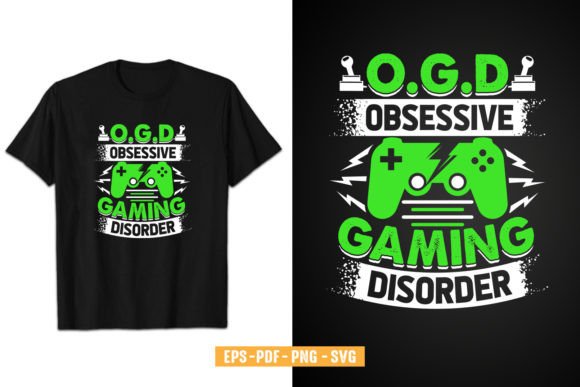
The term O.G.D Obsessive Gaming Disorder exists in a fascinating space between humor, self-awareness, and cultural commentary. It’s not a clinical diagnosis but rather a playful, exaggerated label many gamers and enthusiasts use to describe a deep passion for gaming culture. This phrase has evolved from an inside-joke into a versatile motif for creative projects, finding a practical home in design workflows and personal expression.
The Process of Integrating Niche Themes into Creative Work
Incorporating a concept like O.G.D Obsessive Gaming Disorder into your creative or planning process begins with understanding its context. This isn't about medical pathology; it's about acknowledging a specific, intense hobby. For creators, entrepreneurs, and hobbyists, such niche themes are valuable assets. They resonate with defined communities and can be transformed into tangible items—like the printable T-Shirt and Sticker design mentioned—that serve multiple purposes in a practical workflow.
The journey typically starts in the ideation phase. Whether you're planning content for a blog, designing merchandise for a small business, or preparing a personal gift, identifying themes that have cultural traction is key. O.G.D Obsessive Gaming Disorder acts as a ready-made concept with inherent audience recognition. This eliminates the need for extensive market research for a niche project and allows you to focus on execution.
Practical Implementation Across Different Media
The specific design offering—providing SVG, PDF, EPS, and PNG files—is crafted for seamless integration into standard creative processes. These file formats are the backbone of modern digital crafting and small-scale production.
Workflow Compatibility and Preparation
Before beginning a project using such a design, assessing tool compatibility is a fundamental step. The inclusion of SVG and PNG files means the design is immediately usable with popular cutting machines like Cricut and Silhouette. This pre-solves a common compatibility hurdle. Your preparation involves simply extracting the ZIP file—using WinZIP, WinRAR, or your operating system's built-in tool—and loading the appropriate file into your software. This efficiency in setup is crucial for professionals and hobbyists who value a smooth start.
Organization at this stage is straightforward. Since the design is a digital download, you can store the master files in a dedicated project folder alongside other resources. This supports long-term use; you can revisit the same design for different applications months later without searching for a purchase link.
Execution in Specific Use Cases
The application of the O.G.D Obsessive Gaming Disorder design is process-oriented. For planners and scrapbookers, the sticker becomes a decorative element that marks gaming-related events or achievements. The workflow here is additive: after planning your week or completing a scrapbook page, you apply the sticker as a final touch to personalize the content.
For card making and decorations, the design functions as a central component. Your process might involve printing the design, cutting it with your machine, and then assembling it with other materials. This interaction with other tools and assets—cardstock, adhesives, envelopes—is a typical multi-stage craft workflow. The quality control aspect is handled by the machine's precise cut, ensuring consistency across multiple items if you're producing several cards or decorations.
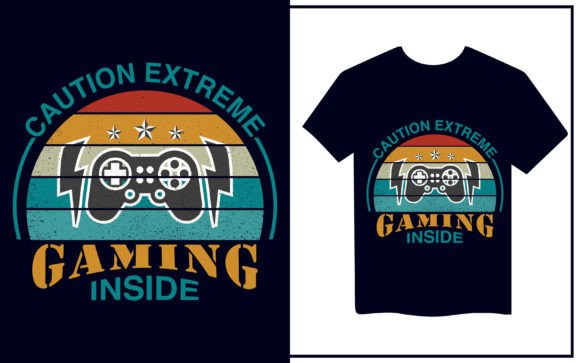
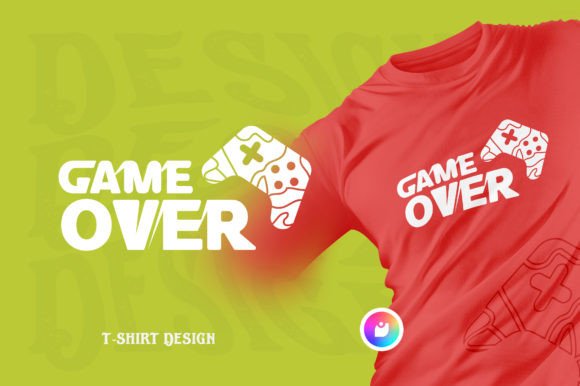
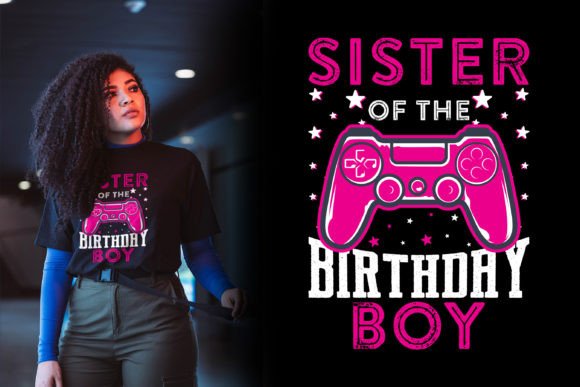
Perhaps the most direct implementation is creating a T-Shirt. This transforms the digital asset into a physical product. The workflow involves printing the design onto transfer paper, cutting it (if needed), and applying it to the garment with a heat press or iron. This project bridges digital design and physical outcome, a common process for entrepreneurs creating boutique merchandise or individuals making personalized gifts.
Interactions with Goals, Resources, and Decisions
Using a design like this interacts with your project goals and resource decisions. If your goal is to create a unique gift for a friend or family member who is a gaming enthusiast, this design provides a ready-made solution that bypasses the need for custom illustration skills. It effectively becomes a resource that saves time and budgetary investment.
For bloggers, marketers, or educators focusing on gaming culture, such a design can be a visual resource for content. It might be used to create branded merchandise for audience engagement or as a visual aid in a presentation or workshop about gaming communities. Here, the design integrates into a broader content creation or marketing workflow, serving as a tangible asset that supports a larger communication strategy.
The decision to use a pre-made design versus creating one from scratch is a common point in many creative processes. The key observation here is that opting for a themed design like O.G.D Obsessive Gaming Disorder accelerates the project timeline. It allows you to focus your energy on the production and finishing stages rather than the initial design phase. This trade-off is particularly valuable for freelancers and small business owners managing multiple projects where time efficiency directly impacts output.
Tips for Smooth Integration into Your Routine
To integrate such a digital asset smoothly, consider these practical steps. First, establish a dedicated digital library for your downloaded designs. Categorize them by theme—like "gaming," "humor," "inspiration"—so you can quickly locate them during future project planning. Second, familiarize yourself with the export settings of your cutting machine software to ensure the SVG or PNG files render at the correct size and resolution. A quick test cut on scrap material is a wise quality control step before using your final substrate.
For long-term usability, remember the license note: the actual files cannot be shared or resold. This is a standard constraint for digital creative assets. It means the design is for your personal or internal use within your projects, not for commercial redistribution as a file. This understanding is part of the integration process, informing how you manage and utilize the asset ethically within your workflow.
From Concept to Finished Product: A Workflow Example
Imagine a freelance content creator planning a series of gifts for their gaming podcast team. Their workflow might unfold as follows. During the planning stage, they identify the need for team merchandise. They select the O.G.D Obsessive Gaming Disorder design because it aligns with the podcast's humorous tone. They download and extract the ZIP file, saving it to their "Podcast Merch" folder.
During execution, they open the SVG file in their cutting machine software. They adjust the size for both sticker decals and T-Shirt transfers. They use their machine to cut the sticker designs from vinyl and the transfers from specific heat-transfer material. Finally, they apply the stickers to planner covers as thank-you gifts and the transfers to T-Shirts. The outcome is a cohesive set of personalized items produced with a consistent theme, all derived from a single digital asset integrated into a standard craft production process.
This example highlights how a niche term transcends its original meaning. O.G.D Obsessive Gaming Disorder becomes a functional component in a creator's workflow. It moves from a concept to a digital file, and finally to a physical object that serves a clear purpose—strengthening community, personalizing items, or simply expressing a shared passion. The entire process is underpinned by practical steps: format selection, tool compatibility, machine operation, and final assembly.
Observations on Quality and Outcome
The usability of the provided file formats directly impacts the quality of the final outcome. SVG files, being vector-based, allow for scaling without loss of detail, which is essential for applying the same design to a small sticker and a large T-Shirt. The PNG transparent background file offers flexibility for digital compositing, should you wish to use the design in digital scrapbooking or online content creation. This multi-format approach caters to different stages and types of projects, giving the user control over quality based on their chosen application.
Ultimately, the integration of such a design into your work is about augmenting your existing capabilities. It provides a specialized visual element without requiring specialized design skills. For the productivity-minded user—whether a professional, a hobbyist, or a gift-giver—this represents an efficient path from idea to implementation. You leverage the design as a ready-made resource, applying your own skills in production, assembly, and distribution to complete the project cycle.
The concept of O.G.D Obsessive Gaming Disorder, therefore, finds its practical relevance not in clinical discussion, but in creative and planning workflows. It serves as a connector between a community's identity and an individual's capacity to create tangible expressions of it. By following a clear process of download, preparation, tool integration, and execution, you can translate this digital asset into real-world objects that fit neatly into your goals for decoration, gifting, branding, or personal craft.