From Screen to Fabric: The Art and Utility of Gamer T-Shirt Design
For many, a t-shirt is more than just clothing; it’s a statement, a piece of identity, and a canvas for personal expression. In the vibrant world of gaming, this is especially true. Gamer t-shirt design bridges the digital realms we love with the physical world we inhabit, allowing fans to wear their passion. Whether it’s a nostalgic retro gaming t-shirt celebrating pixelated classics or a modern design featuring iconic characters, these garments are a staple of community culture. But behind every great gaming tee is a sophisticated design process and versatile digital files that make production possible. This article explores the journey from concept to wearable art, demystifying the technical aspects and highlighting the creative and practical power of modern design files.
The Heart of the Design: More Than Just a Logo
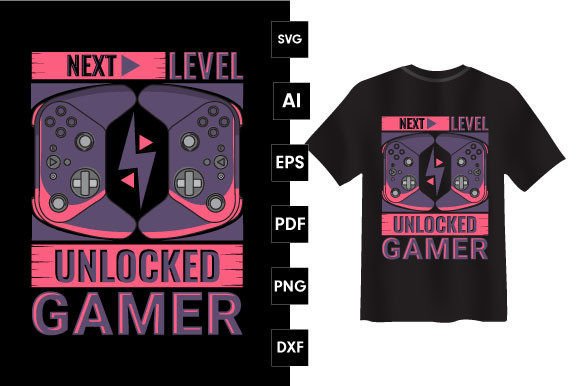
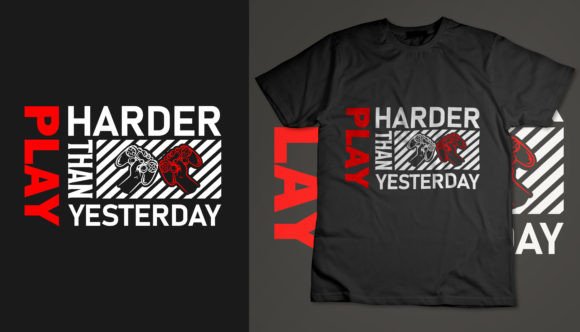
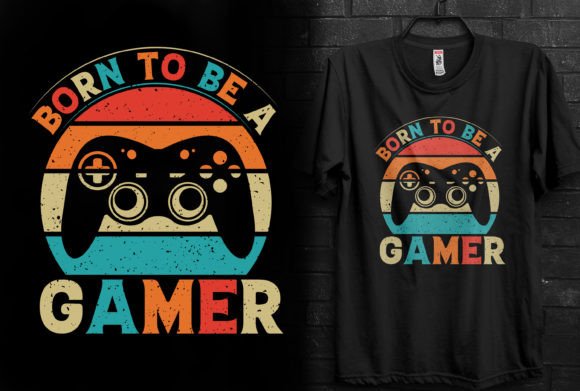
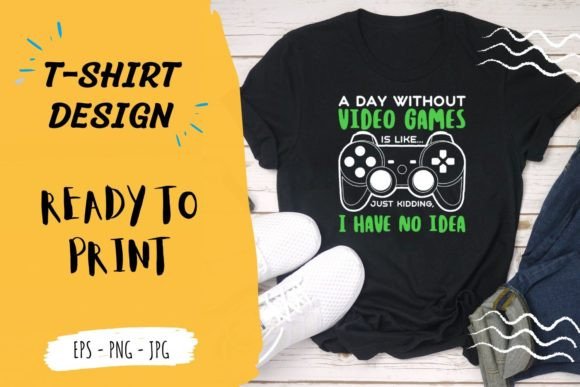
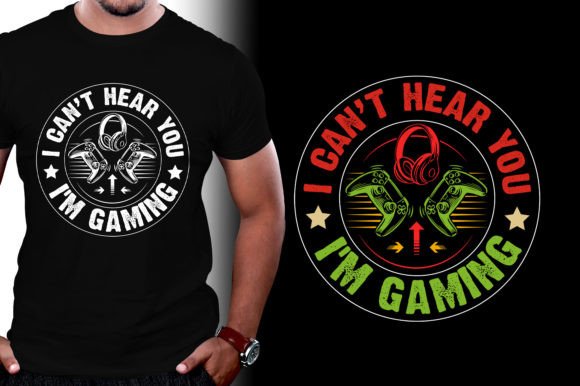
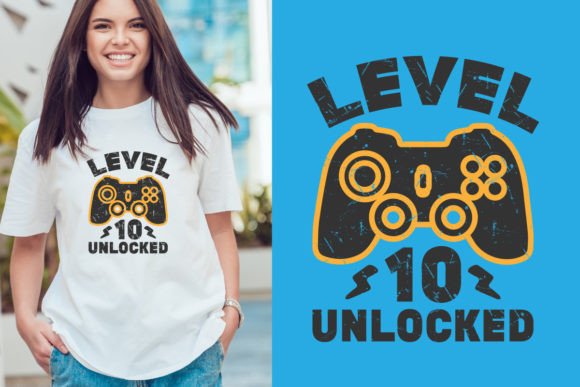
A compelling gaming t-shirt design starts with a concept that resonates. It often taps into shared nostalgia, humor, or pride within the gaming community. A classic retro t-shirt design might feature a clever reinterpretation of an 80s arcade game logo, while a contemporary design could showcase sleek, minimalist symbols from popular online games. The purpose is to create a visual language that fans immediately understand and connect with. This significance goes beyond fashion; it’s about belonging and showcasing one’s gaming identity in daily life.
Common misunderstandings arise here. Some assume design is merely placing a game character on a shirt. In reality, effective design considers composition, color theory for fabric printing, and how the artwork interacts with the shirt’s shape. It must be visually striking when worn, not just when viewed flat on a screen.
The Digital Toolkit: Understanding Your Design Files
When you purchase or create a design, you receive a bundle of digital files. Each serves a unique purpose in the journey from digital art to physical product. Let’s break down the typical package, as highlighted in our example: "Hello and Welcome to my T-Shirt Design Store gaming t shirt design 🎁 You will get 1.PDF file 2.EPS file 3.PNG file 4.SVG file."
Key File Types and Their Roles
- PDF (Portable Document Format): Often used as a universal preview file. It ensures the design looks correct and is easily shared for proofing or simple presentations.
- EPS (Encapsulated PostScript): A crucial vector file format preferred by professional printers and graphic designers. It stores information as mathematical equations, allowing the design to be scaled infinitely without any loss of quality. This is essential for printing on various sizes of t-shirts or other large items.
- PNG (Portable Network Graphics): A raster (pixel-based) file with transparent background capability. This is incredibly useful for placing the design on mockups, websites, or for use in digital applications where you need the artwork without a white rectangle behind it.
- SVG (Scalable Vector Graphics): Another vector format, widely used for web graphics and increasingly in design software. Like EPS, it’s scalable and is excellent for modern digital workflows.
The mention of "Very Easy to color change" points to a major advantage of vector files (EPS and SVG). Because colors and shapes are defined by editable paths and attributes, altering hues to match different shirt colors or creating alternate design versions is a straightforward process, not a painstaking pixel-by-pixel edit.
Ready for Print: What "File Size 4500 x 5400" Means for Quality
The specification of a file size 4500 by 5400 pixels (or similar dimensions) is vital for print readiness. This high-resolution ensures that even when the vector file is exported to a pixel-based format for certain printing processes, the image contains enough detail to produce sharp, crisp edges and smooth color gradients on fabric. A low-resolution file would result in a blurry, pixelated print, ruining the design. This professional-grade sizing guarantees the artwork is suitable for large-scale apparel printing, meeting industry standards.
The Practical Relevance: From Files to Real-World Products
These digital clip art files are not limited to just t-shirts. Their versatility is a core part of their practical relevance in modern creative and business ventures. As noted, they can be used for:
- Clothes Printing: The primary use, for t-shirts, hoodies, hats, and more.
- Stickers: The design can be adapted for vinyl stickers, perfect for decorating gear, laptops, or gaming setups.
- Card Invitations: For gaming-themed events, parties, or tournament invites.
- Print on Mug: Expanding product lines into drinkware.
- T-Shirt Design: The core application, ready for submission to print-on-demand services or screen printers.
This flexibility allows entrepreneurs, small business owners, and even individual gamers to leverage one design across multiple products, maximizing creativity and business potential. It fits seamlessly into the ecosystem of print-on-demand platforms and custom merchandise shops that dominate modern e-commerce.
Fitting into Modern Creative and Technological Life
The process of gamer t-shirt design exemplifies how technology has democratized creativity. With access to these ready-made, professional design files, anyone can become a merch creator without needing advanced graphic design skills. This aligns with trends in DIY culture, micro-businesses, and the gig economy. For the gaming community, it enables fans to contribute directly to the culture by creating and offering designs that resonate with their niche.
In education, understanding these file types and their uses is a practical lesson in digital literacy and graphic design fundamentals. For the creative professional, it highlights the importance of delivering versatile, high-quality assets to clients. In daily activities, it transforms a hobbyist’s passion into a potential side business or a way to create personalized gifts.
Examples in Action
Imagine a fan of classic platformer games. They purchase a retro t-shirt design package featuring a pixel-art character. Using the EPS file, they send it to a custom printer and receive a high-quality shirt. Later, they use the PNG file with its transparent background to create a forum avatar. Finally, they use the easy color-change feature to modify the design from a blue theme to a red one, printing a variant on a mug for a friend. One design package fuels multiple creative projects.
Building a Broader Understanding: The Ecosystem of Custom Apparel
Gamer t-shirt design is a microcosm of the larger custom apparel industry. It teaches us about:
- Supply Chain Digitization: Digital files travel instantly from designer to printer to customer.
- The Importance of Technical Specifications: File type, size, and color mode are not jargon but critical quality controls.
- Niche Marketing: Successful designs understand their audience’s specific nostalgia and aesthetics deeply.
- Asset Management: Providing multiple file formats (PDF, EPS, PNG, SVG) is a standard for professional design delivery, catering to different user needs and software.
Clarifying a final assumption: owning these files does not typically grant copyright over the original game characters unless explicitly licensed. Ethical designers create original art inspired by games, or use elements in transformative ways, respecting intellectual property while celebrating the culture.
Conclusion: Your Passion, Printed
The world of gamer t-shirt design is a perfect fusion of passion, art, and technology. It starts with a relatable concept—a witty phrase, a retro logo, a heroic character—and is realized through a suite of versatile, high-resolution digital files. These files, from the scalable vectors (EPS, SVG) to the ready-to-use PNGs, empower individuals to bring their gaming identity into the tangible world, whether through a t-shirt, a sticker, or a mug. By understanding the purpose and utility of each component in the design package, anyone can navigate this creative space more confidently, turning digital art into a wearable, shareable, and marketable expression of what they love. So, next time you see a great gaming tee, remember: it’s not just a shirt; it’s a story told through design, enabled by technology, and worn with pride.